


When AstaReal AB began producing natural astaxanthin in the mid-90s, it was in a modest facility in Gustavsberg, just outside Stockholm. Back then, volumes were small, and the production process was being tested along the way. Today, that same site has transformed into a full-scale production plant with highly standardized processes, home to the global market leader in natural astaxanthin.
“We’ve gone from research mode to a full-scale industrial operation, but without letting go of our scientific roots. And while volumes have increased significantly, quality and precision always remain our top focus”, says Peter Forsman, Site Manager at AstaReal AB’s production facility.
AstaReal AB’s production process begins small with just 100 milliliters of algae culture. From there, the volume is scaled up in carefully controlled steps until it reaches bioreactors and then finally massive tanks. Each tank operates as its own batch, monitored and optimized throughout its lifecycle.
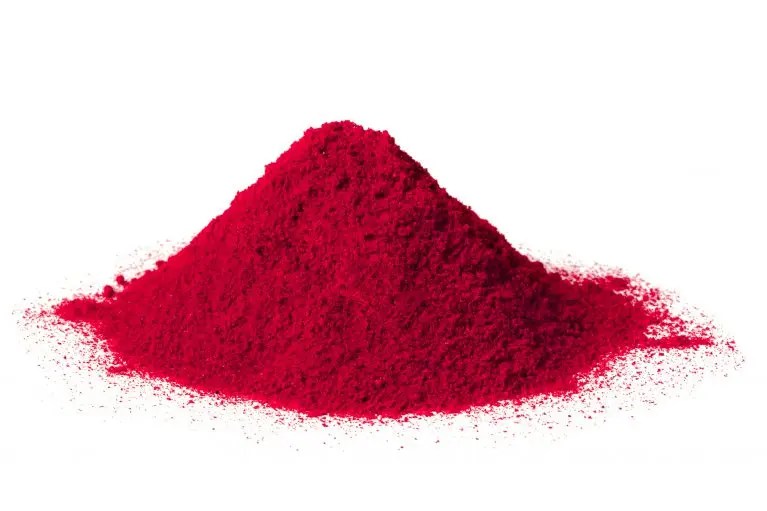
“Once the algae reach optimal density, the downstream process begins. The algae are harvested, the astaxanthin extracted, and the biomass processed into a high-quality algal flour.
This bulk powder is AstaReal AB’s finished product, used in dietary supplements, animal nutrition, and skincare products around the world.
AstaReal AB’s growth has been driven both by capacity increases, continuous innovation, as well as strategic decision-making.
In 2011, the company installed new large-scale bioreactors which increased the production capacity significantly. Another shift came with lighting technology. When the EU’s phase-out of fluorescent tubes approached, AstaReal AB was already ahead. The company had been running LED tests since 2016. When the full switch took place in 2023, the results were beyond expectations.
“With LED, we achieved stronger light, better growth, and more efficient production. We actually doubled our output after the switch. It resulted in better yields, lower energy use, and a more robust production system.”
Sustainability in production
The transition to LED also aligns with AstaReal AB’s long-term commitment to sustainable and responsible production. LED is of course a more environmentally friendly solution, they consume significantly less electricity than traditional fluorescent tubes, which helps lower the facility’s overall carbon footprint.
Another win-win sustainability project is AstaReal AB’s heat recovery partnership with state-owned power company Vattenfall. Since 2021, Vattenfall has been using excess heat from AstaReal AB’s facility to feed the local district heating network, supplying heat for approximately 3000 households.
“Our production plant is powered by fossil-free electricity, and utilizing the excess heat is a great way to further our goal of reducing the climate footprint of our products as much as possible.”
Market leader that continues to grow
As global demand for natural astaxanthin continues to grow, AstaReal AB is preparing for the next stage. The company’s facilities have expanded steadily but are now approaching physical capacity limits.
“Rather than relocating, we’re planning to reorganize and move administrative units from the facility to free up more space for production. That way, we can keep meeting the increasing demand, right here from Gustavsberg”, says Peter Forsman.
AstaReal AB’s production process
- A seed culture is cultivated under sterile conditions to provide a pure culture
- Proliferation in small bioreactor
- Continued proliferation in larger bioreactor, addition of vitamins and minerals
- Starvation of nutrients (nitrogen) and production of astaxanthin in large tank